Kiso horses are small, gentle horses that can stay healthy on simple food such as grass and hay. Their ancestors are believed to have come to Japan from mainland Asia long ago and to have been raised in different parts of the country.
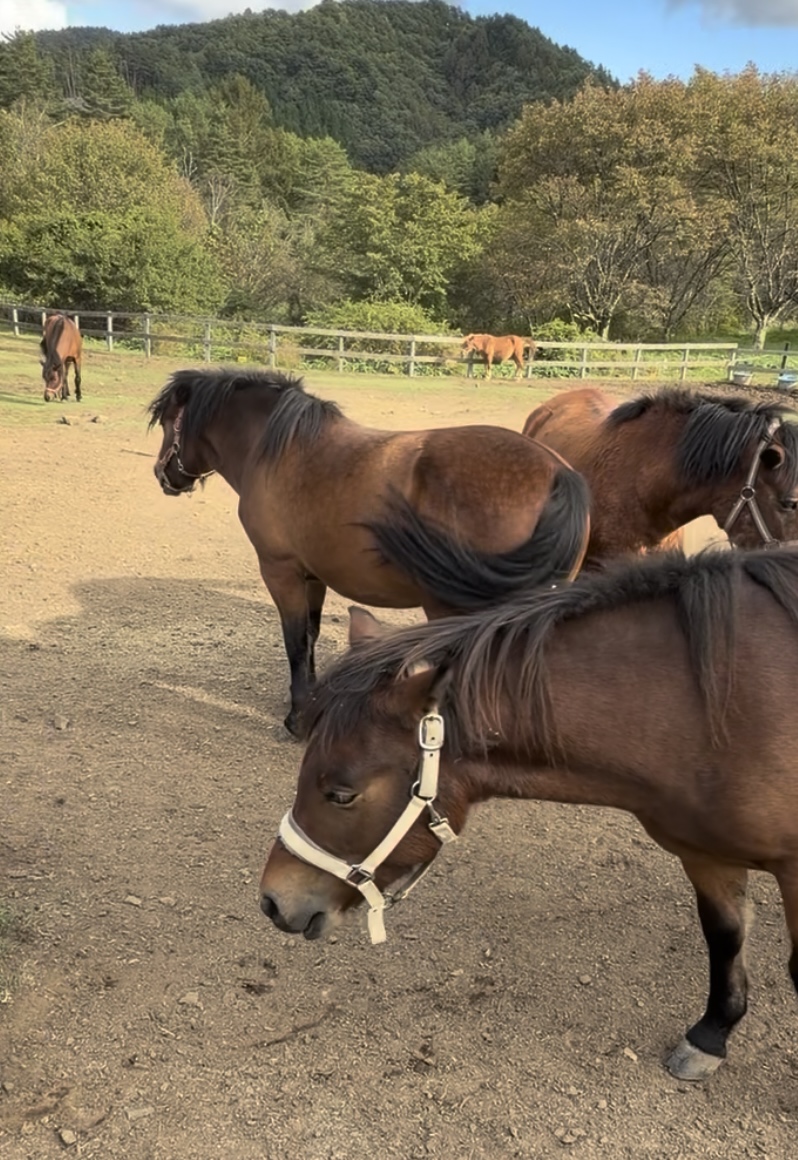
From the Meiji period onward, Kiso horses were bred with larger Western horses to produce bigger, stronger horses for military use. During the war, male Kiso horses used for breeding were castrated, making it difficult to breed purebred Kiso horses.
However, one male horse, Shinmei, escaped castration because he had been given to Takemizuwake Shrine in what is now Chikuma City, Nagano Prefecture, as a sacred horse. After the war, Shinmei was bred with a purebred female named Kayama. Their son was named Dai-san Haruyama.
Dai-san Haruyama was known as “the last purebred Kiso horse.” He died in 1975. However, some questions remain about the purebred females living at the time and their offspring, and about why he was called “the last purebred.” Today, horses that carry his bloodline are being bred to protect and bring back the traditional appearance and qualities of Kiso horses.
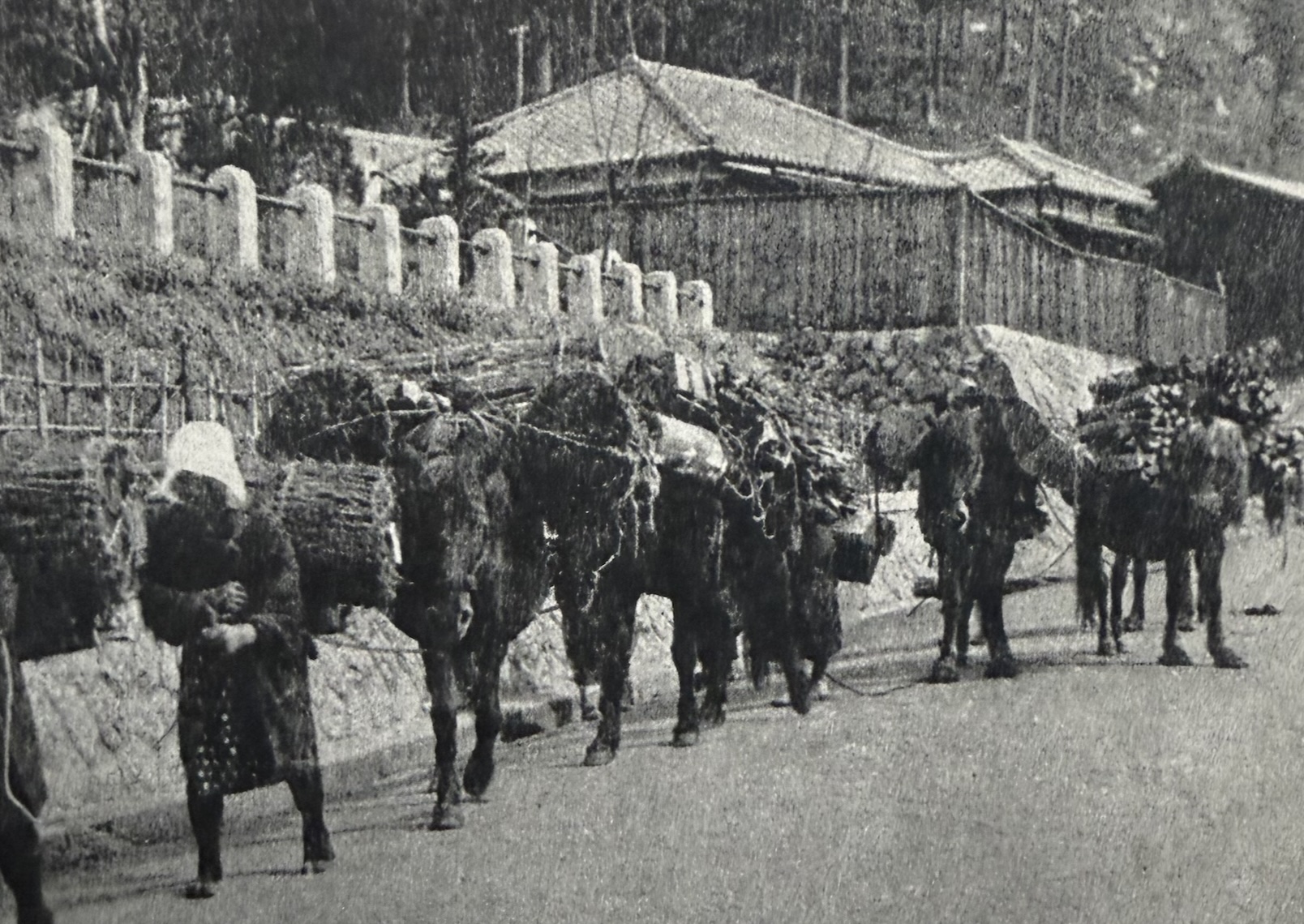
You can learn about Kiso horses and their place in local life at the Yamashita family home in the Nishino area of Kaida Highland. The family owned many horses and also worked as horse doctors, known as “hakuraku.”
Some written accounts say that the Yamashita family originally served under the official in charge of horses for the Kanamori family, who ruled Hida. According to local stories, when the Kanamori family was ordered to move to Kaminoyama in northern Japan, the Yamashita family left their service and settled in Nishino.